Matcha Isn’t for Everyone—Here’s Why It Might Be Making You Feel Worse
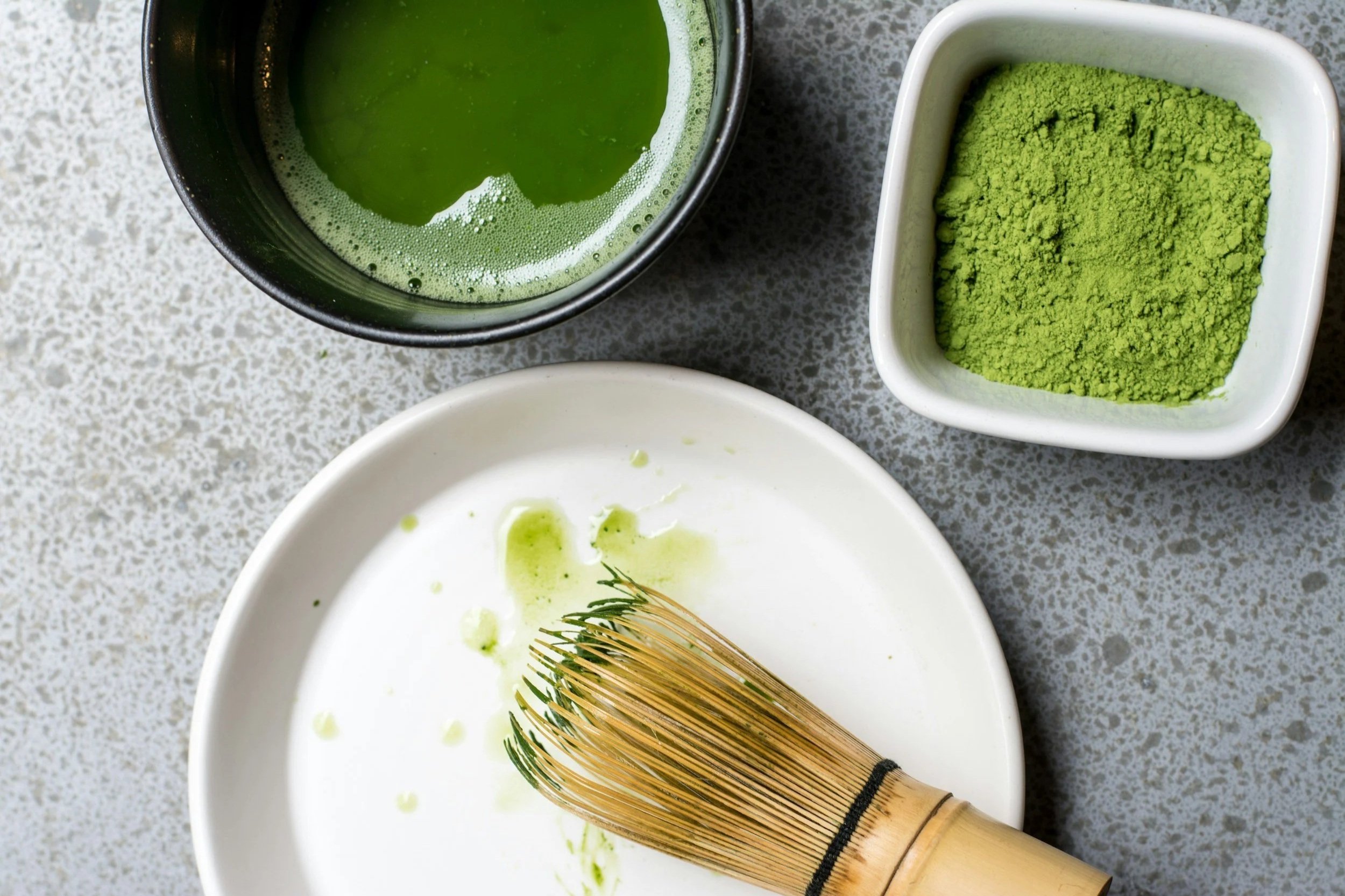
Let’s get things straight: I’m a matcher lover, not a hater. I love a good matcha latte and the entire ritual of it. Not to get all philosophical, but matcha truly is a lifestyle, and anyone who drinks it regularly knows exactly what I mean.
And drinking matcha isn’t just trendy, either. It actually has a pretty impressive list of health benefits. Matcha is especially high in antioxidants called catechins, which help fight oxidative stress. It’s been linked to lower LDL (“bad”) cholesterol, better cardiovascular health, and anti-inflammatory benefits that can support joints and your overall health.
On paper? Matcha is a massive green flag. Which is why I was shocked when I realized matcha was working against me this entire time. The betrayal! I could not believe it.
So… what’s the problem with matcha?
Here’s the part that doesn’t get talked about as much: matcha (and green tea in general) can act as DAO blockers.
DAO, short for diamine oxidase, is the enzyme your body uses to break down histamine. If you have histamine intolerance, MCAS, or just a general sensitivity to histamine, your body already struggles to clear histamine efficiently. So when something inhibits DAO, it can make that problem even worse.
The powerful polyphenols in matcha can temporarily reduce DAO activity. That means histamine sticks around longer in your system, and for someone who’s histamine-sensitive, that can translate into symptoms like headaches, itching, flushing, and GI issues. Matcha and green tea could actually be hurting you rather than helping histamine sensitive individuals by inhibiting the breakdown of histamine. If you’re histamine-sensitive, matcha might be a major culprit in worsening your symptoms.
Why matcha feels great for some people, and awful for others
If you’re histamine-sensitive, matcha might not be the gentle wellness superfood it’s marketed as. Instead of calming energy, you might notice that it actually triggers symptoms or makes existing ones worse. The tricky part is even if you’re not highly histamine-sensitive, matcha can still be hit-or-miss. You might tolerate it one day and feel awful the next. You might do fine until you pair it with a high-histamine meal, or only react when you drink it daily.
Does this mean you have to give up matcha forever?
No, not necessarily. While it is possible to develop a sensitivity to matcha over time, it is likely that if you are only slightly histamine sensitive, you can still enjoy small amounts of ceremonial-grade matcha if you don't drink it with a high-histamine meal. However, if you find that you consistently experience negative reactions after drinking matcha, you may need to take a break from it for a while to see how your body reacts.
The takeaway
Matcha is not “bad.” It’s just not beneficial for everyone. Many people will still be able to enjoy matcha and reap its health benefits without issue. However, for those who are sensitive to histamine, matcha can quietly exacerbate their symptoms, even though it appears to be a "healthy" choice. Bodies don’t all play by the same rules. What functions as a superfood for some can be a trigger for others, and learning to listen to how your body responds matters more than following any wellness trend.
Matcha Alternatives If You’re Sensitive to Histamine
One of the best alternatives to matcha for histamine-sensitivities is to switch to Golden Milk Turmeric Lattes. It offers many of the same health benefits as matcha (including anti-inflammatory and antioxidant properties) and can help promote brain function and memory, boost immunity, and improve digestion and sleep.
Another great alternative if you’re a tea lover is switching to Rooibos Tea, which is the safest tea for histamine sensitivities. Rooibos tea is naturally caffeine-free, not a DAO inhibitor, high in antioxidants, and contains no tannins.
This article is based on general wellness research. It’s not medical advice, and everyone’s body responds differently. If you have a medical condition or concerns about histamine intolerance, it’s always best to talk with a healthcare professional who knows your history.
This article contains affiliate links. If you shop through them, we may earn a small commission at no additional cost to you.
