When “Eating Healthy” Starts to Be Unhealthy
Yes, it really is possible to have too much of a good thing!
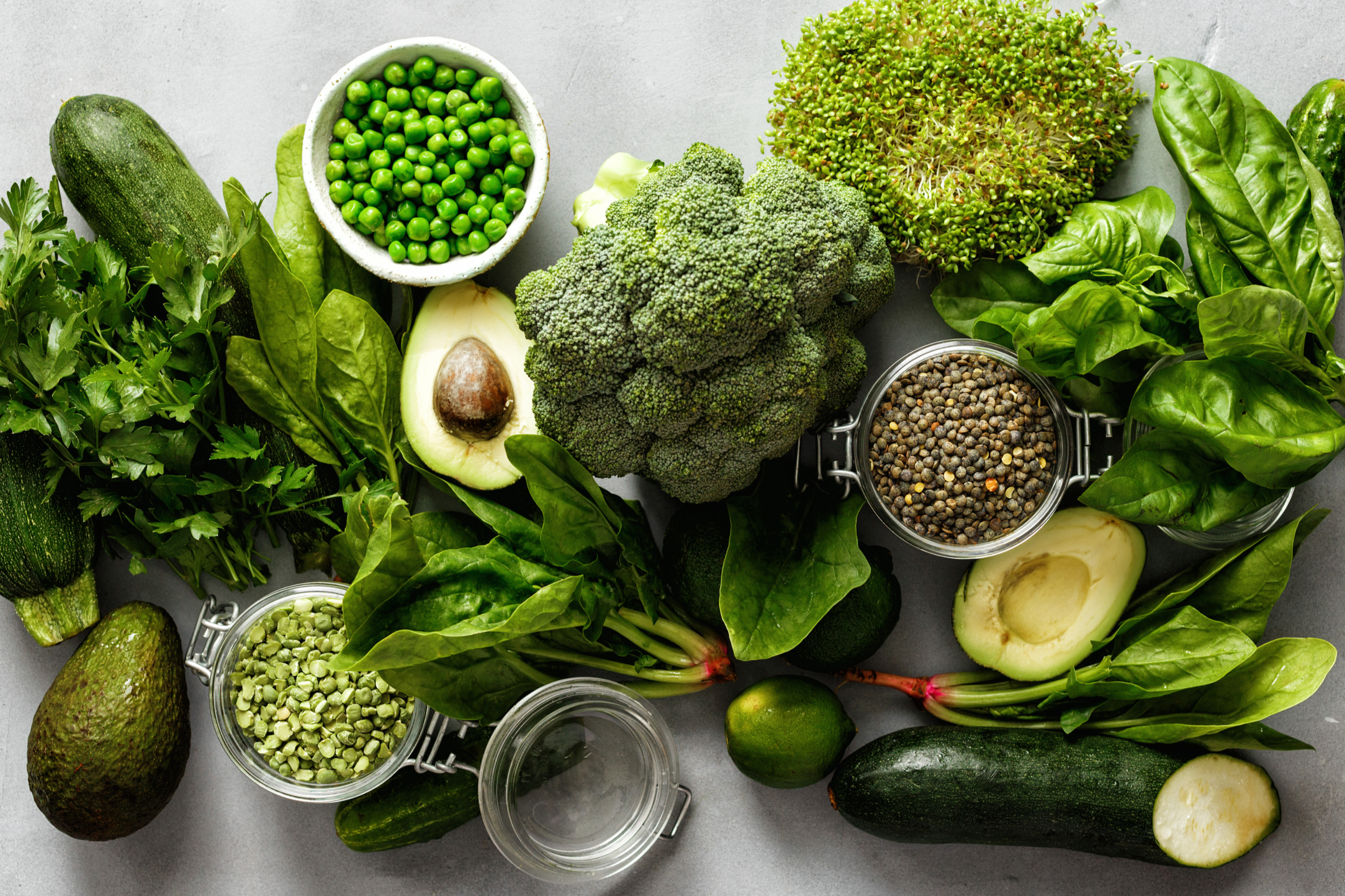
We were taught for years that healthy eating is a universally positive thing. Whether it's through the latest wellness craze or being scolded over the dinner table to finish our veggies, the message has always been the same: the more greens and superfoods you eat, the healthier you will be. And if you're sick, then you're likely doing something wrong.
But what if the issue wasn't because you didn't eat healthy enough? What if it is because your body is overwhelmed by the amount of "healthy" food you are consuming?
This way of thinking is exactly how I ended up stumbling upon Sally K. Norton's book, Toxic Superfoods. When the foods we think will improve our health turn out to be the very ones causing our symptoms, we often fail to recognize the connection between the two.
When “healthy foods” become stressors
One of the largest blind spots in wellness culture is the idea that all superfoods work the same way for everyone. Many people thrive on diets consisting of nothing but raw vegetables, overnight oats, and green smoothies. For others, the same foods can quietly cause symptoms such as digestive issues, fatigue, and joint pain, yet they rarely correlate their symptoms with the foods that are supposed to be helping them.
A large portion of Norton's work deals with oxalates. Oxalates are naturally occurring compounds that exist in many plant-based foods. While oxalates pose no risk to most people, some individuals have difficulty digesting them, especially when consumed in excess quantities. This is where these so-called “superfoods” can actually become a super problem for those with oxalate sensitivity.
When “healthy eating” becomes restrictive eating
Another way “eating healthy” can make you feel worse has nothing to do with the specific foods you’re eating and everything to do with not eating enough.
Many wellness trends promote some form of restriction, either by eliminating entire food groups from someone's diet or demonizing carbohydrates and fats. There is a slippery slope from "clean eating" to chronic under-eating as a result of restricting oneself too much.
Not eating is never the healthier choice. If your diet feels too rigid, time-consuming, or restrictive that you’re barely eating, it isn’t doing anything to support your health. Eating healthy has to work with your life, your schedule, your energy levels, and your body. If you are skipping meals and starving yourself of the essential calories and nutrients your body and mind need to function, it’s no longer healthy.
Signs Your “Healthy” Diet Might Be Putting Stress on Your Body
While this list doesn't necessarily indicate a health concern, it could be a sign that your current version of healthy eating might not be working for you.
Persistent fatigue or low energy
Brain fog or difficulty concentrating
Digestive issues (bloating, constipation, stomach discomfort)
Joint or muscle pain, stiffness, or unexplained aches
Skin problems (rashes, irritation, breakouts, dry skin)
Feeling worse the stricter your diet becomes
Dizziness or lightheadedness (especially between meals)
Cold intolerance or feeling drained
Constant hunger despite eating
Difficulty sleeping
Low mood or irritability
Finding What Works for You
While I am not suggesting giving up on eating healthier or just writing off vegetables completely, I am suggesting finding balance and figuring out what actually works for you and your body.
Wellness trends are always sold as a "one size fits all,” but we should focus on our individual bodies and needs to create healthy eating habits that prioritize nourishment and sustainability. This will always inevitably vary from person to person.
The goal here is to identify what works for your body, fits into your lifestyle, and helps you feel good, instead of working against your body, working with your body.
I highly recommend checking out Norton’s book for further reading here.
This article is for informational and educational purposes only and is not intended as medical advice. Everyone’s body is different, and what works for one person may not work for another. If you’re experiencing ongoing symptoms or have concerns about your health or diet, it’s always best to consult with a qualified healthcare professional who can take your individual needs into account.
This article may contain affiliate links. If you choose to purchase through them, we may earn a small commission at no extra cost to you.
